Mozambique is battling one of the highest HIV prevalence rates in the world: a crisis that continues to strain its healthcare system. One in eight adults are living with the virus, affecting 11.5% of people from the ages of 15 to 49 and contributing to one of the highest prevalence rates globally.1,2 In regions like Cabo Delgado, the healthcare system has been severely disrupted since 2017 due to conflict. This epidemic also decreases(?) life expectancy, highlighting the urgent need for prevention measures to reduce new infections and support the country’s health system.1,6 Despite these challenges, over two million people are receiving antiretroviral treatment, which has played a crucial role in reducing HIV transmission and related deaths.2
Médecins Sans Frontières (MSF) is dedicated to improving access to treatment and strengthening prevention efforts across Mozambique. In Cabo Delgado, the conflict-stricken northern region, MSF stands as one of the few healthcare providers serving affected communities and is the sole organization delivering HIV care.3,5 MSF is in partnership with the local Ministry of Health to situate healthcare professionals, donate medications, and provide mental health support.2 Their efforts aim to fill critical gaps in healthcare access caused by conflict and displacement, actively addressing the ongoing healthcare needs of vulnerable populations in the region.
In Maputo, the capital of Mozambique, MSF supports the Alto Maé health center and one unit of the Chamanculo Hospital. Their initiatives include:
- Voluntary counseling.
- HIV testing.
- Prevention of mother-to-child transmission.
- Treatment with antiretroviral medicines (ARVs).
MSF also collaborates with local non-governmental organizations to provide home-based care for those who are too ill to leave their homes to receive treatment.6 This service is essential in conflict-affected areas where healthcare infrastructure has been severely disrupted.
The MSF team offers sexual and reproductive health services, particularly in the cities of Tete and Beira, as part of their efforts to address healthcare needs along Mozambique’s transport routes.4 These services involve HIV testing and treatment for stigmatized communities, including sex workers and men who have sex with men (MSM).
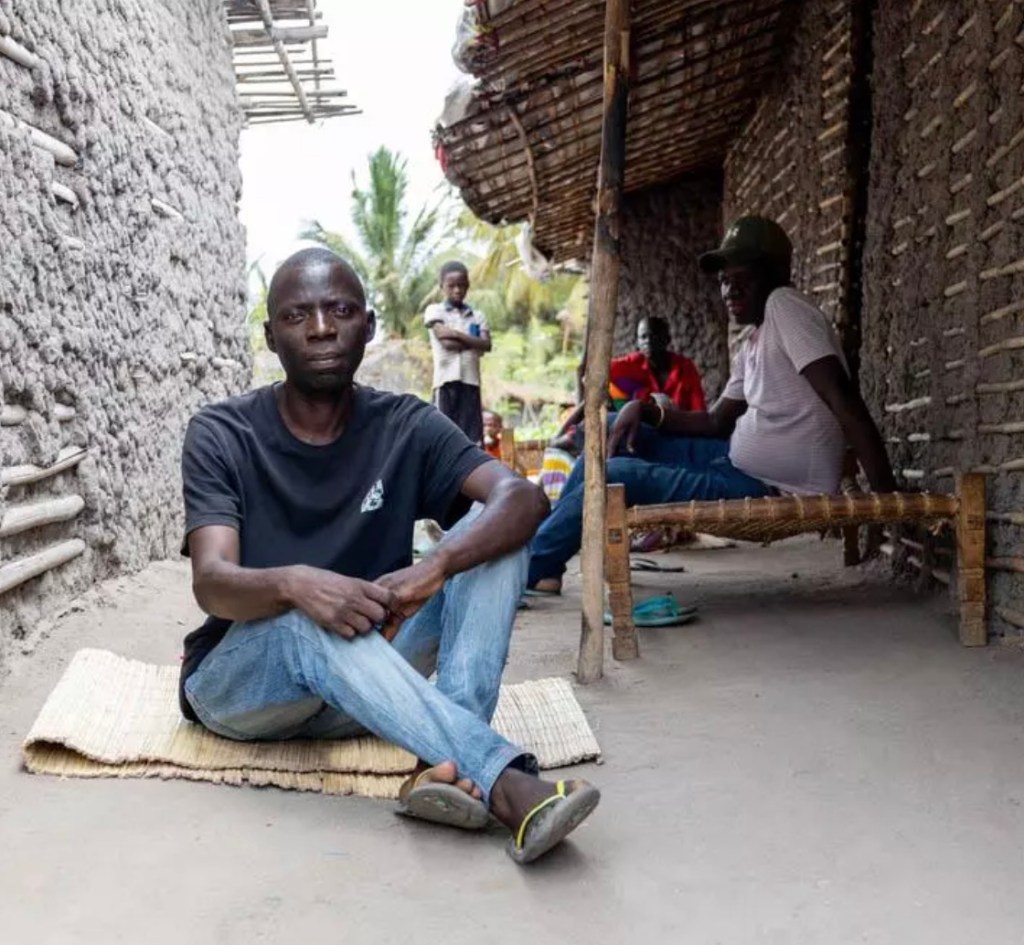
According to Dr. Januário, an HIV specialist of MSF, two significant challenges still persist in Northern Mozambique: providing regular follow-up care for those displaced from their homes and reducing the stigma surrounding HIV within the community.2 Other healthcare workers, such as Cristina Virgílio, are making essential contributions by promoting safe environments for individuals living with HIV.2 Christina runs awareness sessions for HIV-positive pregnant women as a mãe mentora (mothers’ mentor), playing a crucial role in preventing mother to child transmission. Their efforts highlight the necessity of addressing both medical and social hurdles to deliver effective HIV care in conflict-affected areas.
Since 1984, MSF has worked alongside communities across Mozambique to provide emergency response and lifesaving medical assistance. MSF has collaborated with local authorities to strengthen healthcare access and remains committed to these efforts, ensuring that vulnerable populations receive essential care despite persisting challenges.5
Together, through compassion, collaboration, and resilience, MSF and the people of Mozambique are proving that even in the face of immense challenges, progress is possible and lives can be transformed.
References
- INSIDA. Mozambique. Population-Based HIV Impact Assessment. December 2022. Accessed January 10, 2025. https://phia.icap.columbia.edu/wp-content/uploads/2022/12/53059_14_INSIDA_Summary-sheet-Web.pdf.
- Médecins Sans Frontières. A personal commitment to HIV care in Mozambique: MSF. Médecins Sans Frontières (MSF) International. Novembre 29, 2024. Accessed January 9, 2025. https://www.msf.org/personal-commitment-hiv-care-mozambique.
- Moshi E. HIV: Still an epidemic. Doctors Without Borders / Médecins Sans Frontières (MSF … July 23, 2024. Accessed January 9, 2025. https://www.doctorswithoutborders.ca/hiv-still-an-epidemic/#:~:text=Here%20in%20Mozambique%2C%202.4%20million,in%20the%20Cabo%20Delgado%20district.
- Médecins Sans Frontières. Mozambique: MSF. Médecins Sans Frontières (MSF) International. 2017. Accessed January 9, 2025. https://www.msf.org/international-activity-report-2017/mozambique.
- Médecins Sans Frontières. MSF marks 40 years of work in Mozambique. Doctors Without Borders – USA. July 2, 2024. Accessed January 9, 2025. https://www.doctorswithoutborders.org/latest/msf-marks-40-years-work-mozambique.
- Médecins Sans Frontières. Mozambique: Addressing the growing AIDS crisis: MSF. Médecins Sans Frontières (MSF) International. August 18, 2004. Accessed January 9, 2025. https://www.msf.org/mozambique-addressing-growing-aids-crisis.
Edited by: Iman Yaser
 McMaster Friends of MSF