
Behind every life saved by Médecins Sans Frontières (MSF), there’s an intricate network of planning, logistics, and teamwork operating seamlessly in the background.1 From conflict zones to epidemic hotspots, MSF’s ability to respond quickly and effectively hinges on its carefully structured global operations. So how does an international, independent medical humanitarian organization like MSF organize its projects around the globe?
MSF is run by 27 associations around the world, composed of members who have previously served or are currently active in crisis affected areas. These associations connect all members of MSF, no matter where they are or what their position may be, ensuring cohesion and focus on key principles of independence, impartiality, and neutrality.2 Associations are joined by one of six Operational Centres, which work to directly manage humanitarian action by deciding where, when, and what type of medical assistance is required.2 Associations have smaller branches known as the MSF sections, which help support field work by recruitment, fundraising, and advocacy. These sections are affiliated with the Association that best represents their objective, which also act to hold each section under its guidance accountable for its work.1
The International General Assembly (IGA) comprises representatives from each of the 27 associations, along with the International President who is currently Dr. Christos Christou. Together they ensure that the organization stays true to its identity in following the principles and humanitarian mission set by the founders.2,3 This body ensures efficiency by guiding decisions and smoothening out agreements regarding internal affairs of MSF.2
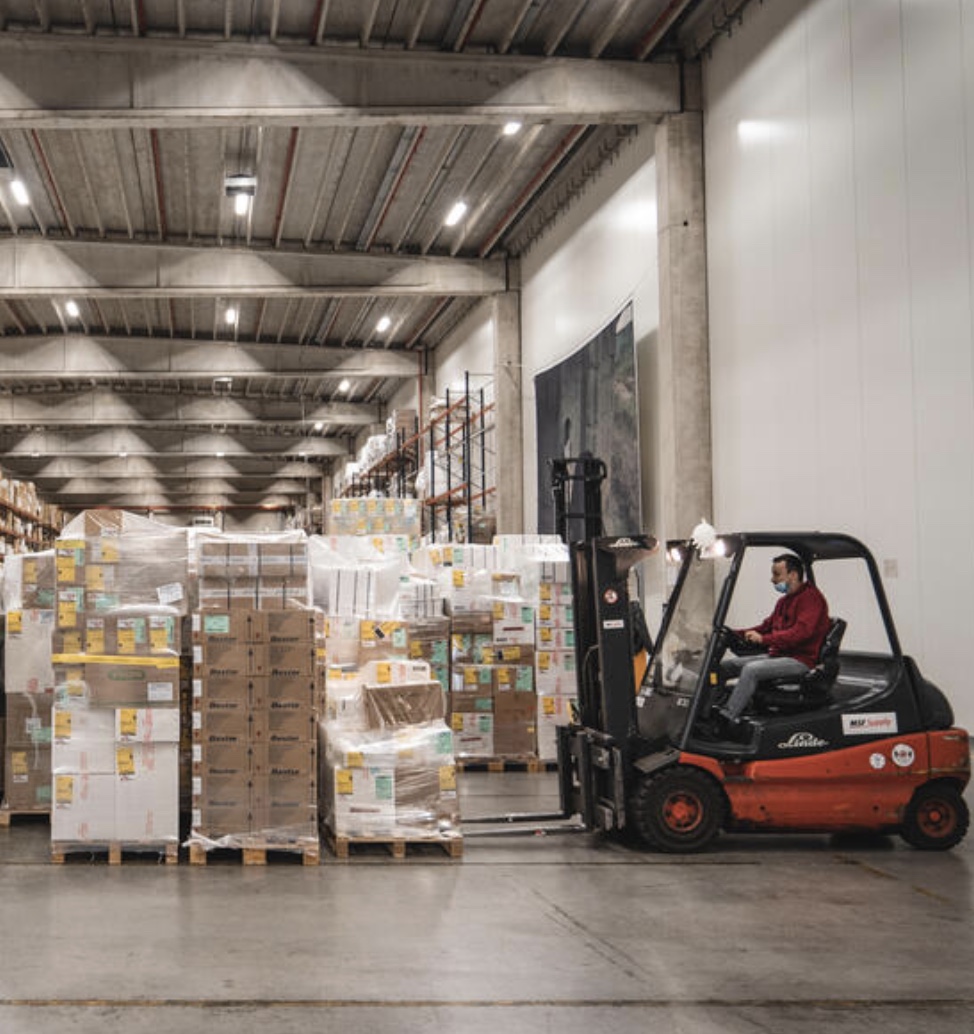
In 1979, a pharmacist working with MSF, Jacques Pinel, was concerned about the organization of the fledgling MSF movement, and had a logistics base created for MSF. In 1986, Pinel founded Médecins Sans Frontières Logistique, determined to aid MSF’s humanitarian advances behind the scenes.5 MSF Logistique developed systems that allowed for pre-positioning of supplies in international warehouses, ensuring rapid mobilization of resources during emergencies. Their warehouses stock essential medical kits, vaccines, and equipment, ready to deploy within hours of a crisis. To this day, Médecins Sans Frontières Logistique is active, and ensures safe, effective supply chains to all humanitarian organizations, shipping over 5,500 tonnes of equipment around the globe annually.4
MSF’s logistical preparedness is essential in responding to emergencies like war zones, pandemics, or natural disasters. For example, during the COVID-19 pandemic, MSF swiftly established mobile healthcare units, procured PPE through local and global supply chains, and partnered with local communities to ensure equitable vaccine distribution. MSF responded to this pandemic in over 75 countries, providing treatment on top of their ongoing humanitarian efforts.5 This response relied heavily on logistical agility, with MSF deploying emergency response teams, rapidly distributing medical supplies, and training local healthcare workers to manage overwhelmed facilities. In conflict zones like Syria, MSF teams have adapted by using modular hospital kits and underground healthcare facilities to protect staff and patients from airstrikes.6 MSF also responded to the Ebola epidemic in West Africa by providing relief to the three worst affected countries; Guinea, Sierra Leone and Liberia, as well as responding to cases in Nigeria, Senegal, and Mali.5 A combination of a weak international response and an aggressively infectious outbreak forced their teams into damage control. Fear caused governments to close borders, implementing tight quarantine against countries affected by Ebola, restricting the movement of healthcare workers and MSF staff.5 Despite these challenges, MSF ensured consistent delivery of life-saving supplies and trained local staff to support healthcare systems beyond the epidemic. This approach highlights MSF’s commitment to sustainable and community-driven aid.
The logistics behind Médecins Sans Frontières are nothing short of miraculous, and are critical to the success of one of the world’s most impactful humanitarian organizations. A well structured network of Operational Centers as well as teams of highly qualified workers ensures that resources are supplied globally, wherever MSF may be operating. This coordination is crucial both in terms of MSF’s mission, but also emphasizes the importance of the efforts of those that operate behind the scenes. It is this coordination that allows MSF to save lives and provide medical aid wherever it is needed.
References
- The MSF movement. MSF Logistique. https://www.msflogistique.org/the-msf-movement.html
- How we are run. Médecins Sans Frontières International. https://www.msf.org/how-we-are-run
- Our leadership. Doctors Without Borders USA. https://www.doctorswithoutborders.org/who-we-are/our-leadership
- MSF Logistique. MSF Logistique. 2024. https://www.msflogistique.org/home.html
- Epidemics narrative: MSF. Médecins Sans Frontières (MSF) International. https://www.msf.org/epidemics-narrative
- Syria. Médecins Sans Frontières (MSF) International.https://www.msf.org/syria
Edited by: Narmeen Awan, Colin Fife & Lauren Choi
 McMaster Friends of MSF