
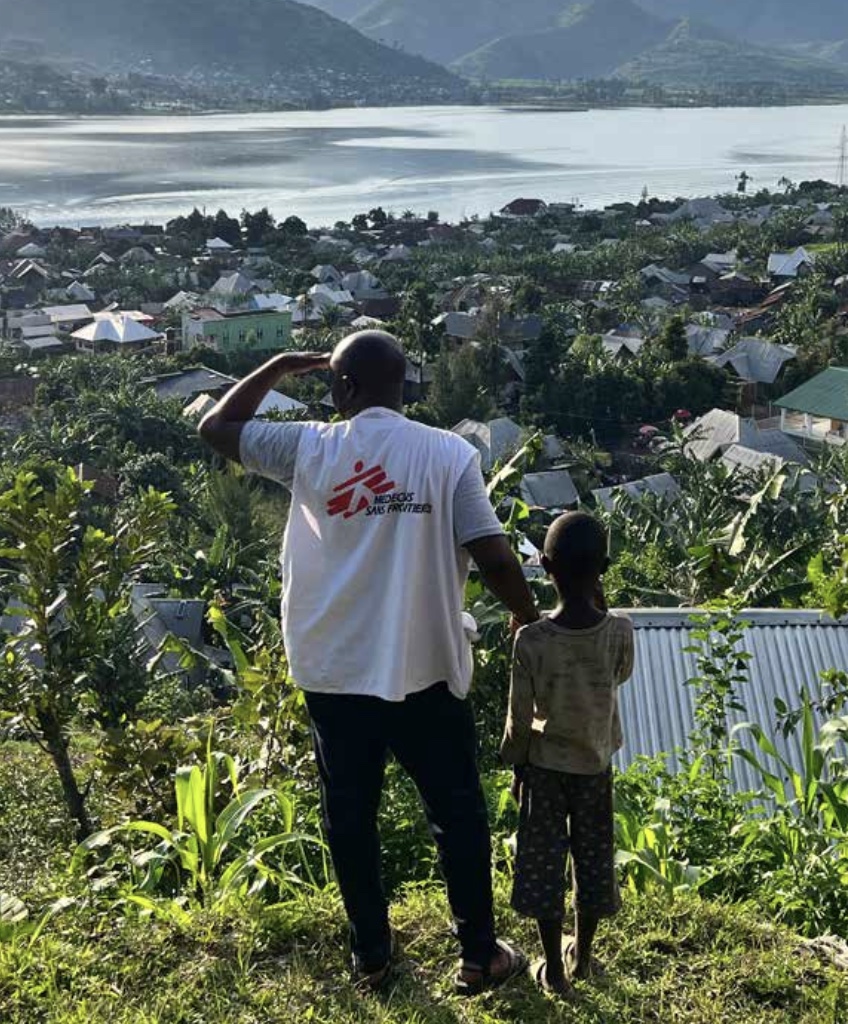
Antimicrobial resistance (AMR) represents a profound challenge to global public health as a whole; however, its impacts are notably severe in humanitarian and low-resource settings. These environments, characterized by conflict, displacement, fragile healthcare systems, and environmental degradation, foster conditions where AMR thrives.1 Despite progress at the global policy level, the realities on the ground remain disconnected. Médecins Sans Frontières’ fieldwork across Gaza, Afghanistan, Mozambique, Syria, Ukraine, Sierra Leone, South Sudan, and Bangladesh, offers an insight into AMR’s drivers, consequences, and solutions in some of the world’s most challenging environments.1
Neonatal sepsis, a leading cause of infant mortality, is alarmingly resistant to antibiotics in conflict-affected and low-resource settings. In regions like the Central African Republic, resistance rates for critical antibiotics, including WHO-recommended antibiotics for gram-negative neonatal infections, exceed 70%, leaving healthcare providers without effective treatment options.1 This is consistent with findings from The Lancet, which documents a growing number of infections among newborns that cannot be effectively managed due to AMR in low-resource settings.2 Additionally, severe acute malnutrition (SAM) increases the risk of bloodstream infections by Gram-negative bacteria. Studies reveal a staggering 30% mortality rate among children hospitalized with sepsis in Nigeria’s Zamfara state, highlighting the compounding vulnerabilities of nutritional deficits and AMR.1 Moreover, in conflict zones, rising cesarean section rates driven by insecurity correlate with a surge in surgical site infections (SSI), 3-15% of which involve multidrug-resistant (MDR) organisms. Gendered barriers to healthcare access compound the risks, particularly in restrictive societies like Afghanistan.1
Essential antibiotics like carbapenems and colistin are routinely unavailable in countries like Mozambique and Sierra Leone, forcing reliance on broader-spectrum antibiotics that further drive resistance.1 Across Africa, only 1% of medical laboratories can conduct bacteriological testing. This void impacts reliance on evidence-based treatments, often fueling AMR.1
In South Sudan’s flood-affected Bentiu camp, stagnant waters mixed with waste have created a breeding ground for resistant pathogens. Recent data from MSF’s microbiology lab showed that around 40% of Enterobacterales isolates were resistant to extended-spectrum beta-lactams (ESBLs), making standard treatments ineffective.1 The United Nations Environment Programme (UNEP) emphasizes the role of environmental factors in the proliferation of AMR, noting that poor sanitation and contaminated water sources in conflict zones create the ideal breeding grounds for resistant pathogens.4
Addressing antimicrobial resistance (AMR) in humanitarian settings requires a clear and focused approach. Accountability frameworks should highlight AMR by including indicators for healthcare equity and access. It’s also important to involve humanitarian workers and local communities in national action plans (NAPs) so that interventions fit the specific needs of each area. The Centers for Disease Control and Prevention (CDC) advocates for stronger antimicrobial stewardship (AMS) programs and improved surveillance to monitor and control AMR, particularly in vulnerable settings where diseases like tuberculosis and HIV already complicate treatment protocols.3 To achieve this, improving healthcare infrastructure is key. Tools like Médecins Sans Frontières’ Antibiogo app can help expand microbiology services in areas with limited resources by allowing non-experts to perform accurate tests.1 Fast-tracking antibiotic procurement and better stock management systems are also necessary to ensure essential medicines are always available.1 Special attention should also be given to vulnerable groups. Resources should be used to ensure safe childbirth and postnatal care in conflict zones, where maternal mortality is highest. Nutritional rehabilitation programs can also include AMR-focused strategies to detect and treat sepsis early.1 Additionally, antimicrobial stewardship (AMS) and infection prevention should be strengthened. Healthcare workers need training in using antibiotics responsibly, and expanding programs for clean water, sanitation, and vaccinations. These measures can further prevent infections, thereby reducing the need for antibiotics.1 Finally, climate-resilient healthcare systems should be built to handle AMR risks in areas affected by floods or other environmental issues. These strategies can focus on infection prevention and adapting systems to changing conditions.1 Together, these steps can help break the AMR cycle by focusing on equity, innovation, and sustainability.
Antimicrobial resistance is not a distant threat but a present crisis, borne by populations in humanitarian settings. Failure to act now risks making AMR a perpetual humanitarian emergency, affecting health systems, and reversing decades of progress in global health.1 The international community must rise to the challenge, not with fragmented efforts, but with decisive, inclusive, and resourced actions that protect the lives of those most at risk.
References
- Médecins Sans Frontières. (2024). The broken lens: Antimicrobial resistance in humanitarian settings. Retrieved from https://www.msf.org/broken-lens-antimicrobial-resistance-humanitarian-settings
- Sartorius, B., et al. (2024). The burden of bacterial antimicrobial resistance in the WHO African region in 2019: A cross-country systematic analysis. The Lancet Global Health, 12(2), e201–e216. https://doi.org/10.1016/S2214-109X(23)00453-6
- Centers for Disease Control and Prevention. (2023). The core elements of antibiotic stewardship for healthcare providers. Retrieved from https://www.cdc.gov/antibiotic-use/hcp/core-elements/index.html
- United Nations Environment Programme. (2022). What is fuelling the world’s antimicrobial resistance crisis? Retrieved from https://www.unep.org/news-and-stories/story/what-fuelling-worlds-antimicrobial-resistance-crisis
Edited by Mohamed Jama
 McMaster Friends of MSF